Random Brush: The Font That Adds Texture to Your Brand
As a small business owner, you know that every detail of your brand communicates something to your customers. From your logo to your product labels, from your social media graphics to your packaging, the choice of typeface plays a major role in shaping how people perceive your business. Random Brush is a textured brush font that brings an authentic, handcrafted feel to any material you create. It belongs to the Script Handwritten category and is designed to give your brand a natural, unpolished charm that stands out in today’s digital world.
What Makes Random Brush Different
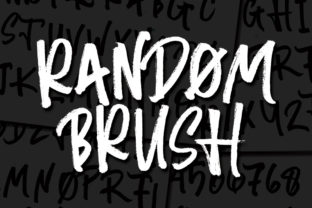
Random Brush isn’t just another script font. It’s a brush font with visible texture, uneven strokes, and a slightly messy vibe that feels genuine. This is not a sterile, vector-perfect font. It looks like it was painted with an actual brush on paper or canvas. For small business owners, that authenticity can be a powerful asset. When you use Random Brush on your website banner or product packaging, you signal that your brand is approachable, creative, and human. This kind of modern typography works especially well for businesses that want to avoid looking too corporate or mass-produced.
The texture in Random Brush adds depth to your designs. It gives your brand a tactile quality even on digital screens. In a crowded market, where many businesses rely on clean, minimal fonts, choosing a handwritten font like Random Brush helps you stand out. It’s a display font that doesn’t try to be perfect, and that imperfection is exactly what makes it feel trustworthy and relatable.
Practical Uses Across Your Business Materials
One of the biggest challenges for entrepreneurs is maintaining a consistent brand image across different touchpoints. Random Brush can become a cornerstone of your brand identity because it’s versatile enough for many applications.
Logos and Wordmarks
On your logo, Random Brush can create a memorable wordmark. Because of its textured edges and natural flow, it works great for logos in the beauty, food, or lifestyle sectors. For example, a handmade soap brand could use Random Brush for its company name on labels, giving the packaging a rustic, artisanal look. Similarly, a café or bakery can use it on menus and window signage to project warmth and craftsmanship. The font’s brush effect makes each letter feel hand-lettered, which adds a personal touch that customers notice.
Product Labels and Packaging
For product labels and packaging design, Random Brush is a strong choice. Whether you’re selling candles, skincare products, or gourmet snacks, this brush font adds a personal touch. Customers appreciate seeing a font that looks hand-lettered, especially when your product is handmade or small-batch. The texture of Random Brush makes even a simple label feel like a premium design asset. You can use it for the product name, a short tagline, or a key ingredient highlight. Pair it with a simple layout to let the typeface shine.
Menus and In-Store Signage
Restaurants, cafés, and pop-up shops benefit from fonts that feel inviting. Random Brush on a menu board or table tent card creates an immediate sense of personality. It works well for item headings or specials, but keep body text in a clean sans serif for readability. The contrast between the brush font and a neutral background, like chalkboard or kraft paper, reinforces the handcrafted vibe of your space.
Social Media and Digital Ads
Social media graphics are another area where Random Brush shines. Instagram posts, Pinterest pins, and Facebook ads need to grab attention quickly. A creative font like this can help your quotes, announcements, and product highlights feel more engaging. Use it as a headline or accent to draw the eye. For instance, a life coach or wellness brand could use Random Brush for inspirational quotes on Instagram, pairing it with a clean sans serif for body text. The font’s texture stands out even in a small square on a smartphone screen.
Website Banners and Email Headers
Your website is often the first place potential customers learn about you. Using Random Brush on your homepage hero banner or navigation headers gives your online presence a distinctive look. It works especially well for hero text that announces your brand’s name or a key offer. Just make sure to test it on mobile devices, as brush fonts can lose detail at very small sizes. For buttons and subheadings, rely on a simple sans serif to maintain clarity.
Building Trust and Recognition with One Font
Consistency is key to building a recognizable brand. When you use the same font across your website, business cards, packaging, and social media, customers start to associate that visual style with your business. Random Brush, with its distinct personality, helps create that visual consistency without being boring. It’s a display font that commands attention, but when used thoughtfully, it can be part of a cohesive brand system.
For example, a boutique owner could use Random Brush for the store name on bags, tags, and hang tags. The same font on Instagram stories and website headers creates a seamless experience. Over time, customers will recognize the font as part of your brand, which builds trust and professionalism. Even if you’re a solo entrepreneur or a small team, using a high-quality font like this makes you look established. It tells customers you’ve put thought into your brand’s visual identity.
Random Brush also carries a certain mood. It feels warm, casual, and creative. That emotional connection is hard to achieve with standard system fonts. By choosing a font that matches your brand’s personality—whether it’s playful, earthy, or confident—you attract customers who resonate with that feeling. For a business selling natural skincare or organic tea, Random Brush reinforces the idea of something made with care.
Readability in Real Business Settings
As practical business owners, we also need to consider readability. Random Brush has a clear character structure, but it is a brush font with texture. It works best as a headline, logo, or display font rather than for long paragraphs. On small labels or mobile screens, make sure to test how it reads at different sizes. For tiny text, such as ingredient lists on product packaging, you’ll want to pair Random Brush with a clean sans serif font for legibility.
For example, if you’re designing a candle label, use Random Brush for the brand name and a simple sans serif like Arial or Open Sans for the description. This gives you the best of both worlds: a memorable headline and readable body text. The same principle applies to menus and flyers. Use Random Brush for item names or category headers, and a sans serif for prices and descriptions. This approach ensures your brand looks professional while keeping the focus on the beautiful typeface.
When printing on materials like cardboard or craft paper, the texture of Random Brush integrates well with the substrate. It doesn’t fight the background; it feels like part of the material. That’s a subtle advantage for packaging design—customers perceive the font as an organic part of the product, not a sticker slapped on.
Testing Before You Commit
Before you use Random Brush across your entire brand, test it in a few different scenarios. Try it on a digital mockup of your logo, print a label, and see how it looks on your website header. Check how it reads on a phone screen and in a small square on Instagram. Because Random Brush has a textured finish, it might appear differently on screen versus in print. Adjust font size and spacing to ensure it remains readable and visually appealing.
Also, consider how the font works with your brand colors. Random Brush looks great against neutral backgrounds and complements natural textures like kraft paper, wood, or matte finishes. If your brand uses bold colors, test the contrast to make sure the strokes remain clear. Sometimes a lighter weight or a slightly larger size can solve readability issues without losing the font’s personality.
Another practical step is to run the font by a few colleagues or customers. Ask them what they associate with the typeface—does it feel trustworthy? Does it match your product’s vibe? Getting feedback before you print hundreds of labels or launch a website can save you time and money.
Font Pairing Ideas for a Complete Look
To build a versatile brand identity, you’ll want to pair Random Brush with a complementary typeface. Because Random Brush is a script handwritten font with expressive strokes, it pairs well with a clean sans serif like Montserrat, Lato, or Roboto. The contrast between the textured brush font and a simple, geometric sans serif creates a balanced and professional look. Use the sans serif for body text, captions, and any place where you need high legibility.
Alternatively, if your brand is more traditional, you can pair Random Brush with a serif font such as Merriweather or Playfair Display. This combination works for businesses that want to mix modern creativity with a touch of elegance. For example, a wedding stationery designer might use Random Brush for the main title and a serif for the details. The serif adds structure while the script font brings the handmade feel.
When pairing fonts, keep it simple. Use no more than two fonts in your primary brand toolkit. Random Brush as your display font and a sans serif as your body font is a reliable combination for most small businesses. You can also use Random Brush alone for accent elements like pull quotes or decorative headings. The key is to let the font breathe—don’t crowd it with too many competing styles.
Important Note on Licensing
Before you start using Random Brush on your products, packaging, or digital assets, check the commercial font licensing. Many fonts require a separate license for commercial use, especially for merchandise, client work, or digital downloads. Ensure you purchase the appropriate license to avoid legal issues. As a business owner, investing in proper font licensing is part of building a professional and ethical brand. It also gives you peace of mind that you can use the font across all your materials without restrictions.
Whether you’re launching a new product line or refreshing an existing brand, Random Brush gives you the textured, authentic look that customers love. It’s a tool that helps you communicate your brand’s personality consistently, across every touchpoint, from packaging to social media. Try it on a few pieces, see how it resonates with your audience, and build a brand that feels as real as your products.